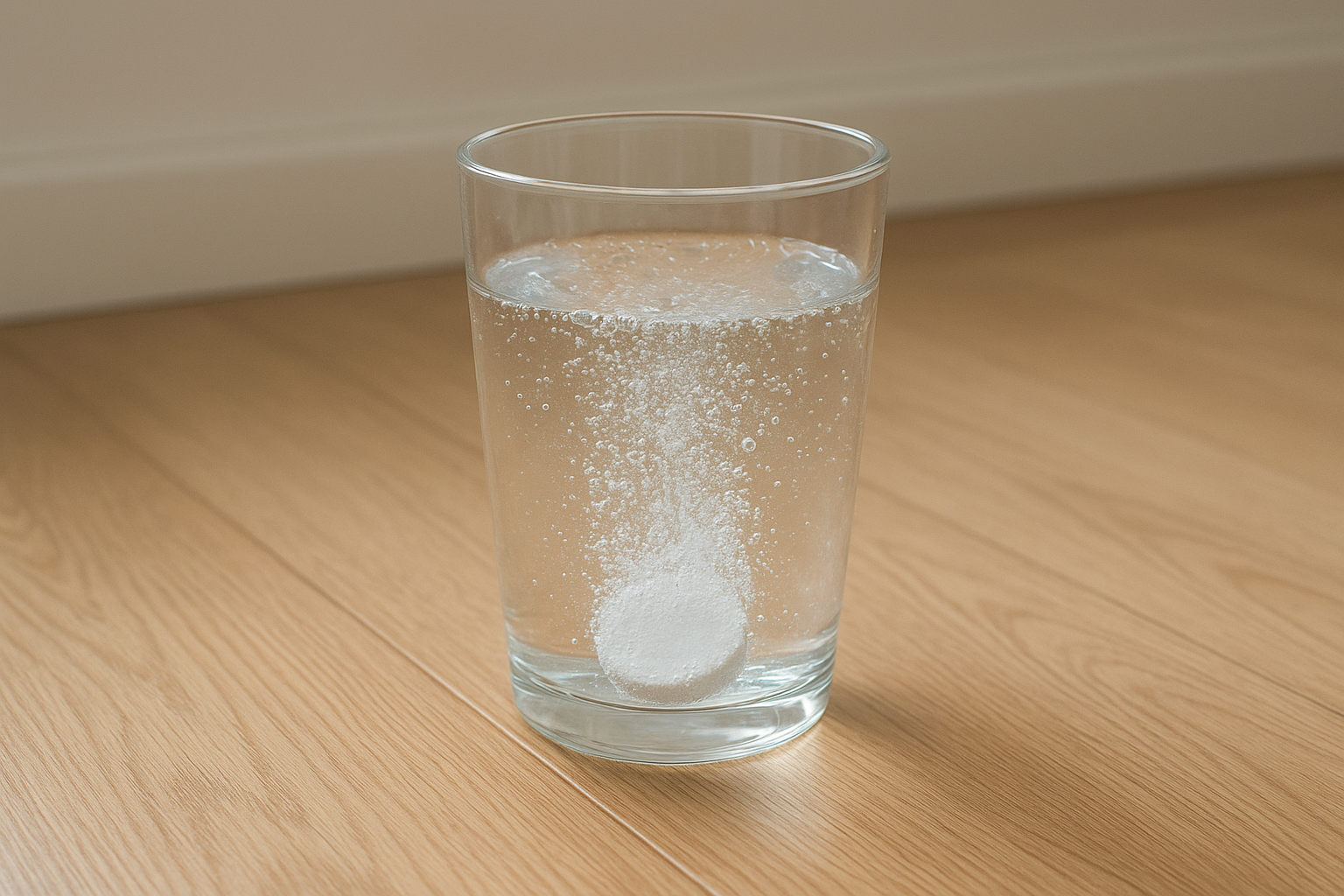
Cleaning Tablet Ingredients Explained: Safety & Functionality Breakdown
With the rise of eco-friendly cleaning trends, cleaning tablets have become a preferred choice for many brands due to their waterless formula, convenient packaging, and ingredient transparency.
However, many businesses and consumers still wonder: what exactly are cleaning tablets made of, and are they safe?
This article provides a systematic breakdown of the core ingredients, their scientific functions, and international safety standards.
1. Citric Acid — The Core Effervescent Ingredient
Citric acid is one of the main components of cleaning tablets, naturally derived and highly safe. Its functions include:
-
Triggering the effervescent reaction: Reacts with carbonates in water to release CO₂, creating the “fizzing cleaning power.”
-
Dissolving stains and mineral deposits: Effective for kitchens, bathrooms, and toilets.
-
pH regulation: Maintains solution stability and enhances detergent performance.
Safety
Citric acid is FDA-recognized as GRAS (Generally Recognized As Safe) and is widely used in both food and cleaning industries.
2. Carbonates — Foaming and Water Softening Agents
Common carbonates:
-
Sodium Bicarbonate
-
Sodium Carbonate
Key functions:
-
React with citric acid to create effervescence for quick dispersion
-
Softens water, boosting surfactant efficiency
-
Breaks down grease and residues, enhancing overall cleaning power
Safety
Carbonates are low-irritation, low-toxicity minerals and comply with REACH and EPA standards, making them safe for household use.
3. Surfactants — The Real Cleaning Power
Surfactants enable deep cleaning by:
-
Breaking down oil and dirt molecules
-
Dispersing grease into water for easy rinsing
-
Increasing overall cleaning efficiency
Common gentle surfactants:
-
Sodium Lauryl Sulfate (SLS)
-
Sodium Coco Sulfate (SCS)
-
Non-ionic surfactants (e.g., APG)
Safety
High-quality tablets comply with:
-
EU REACH regulations
-
OECD biodegradability tests
-
Phosphate-free, chlorine-free, and solvent-free formulas
Gentle and biodegradable surfactants ensure high cleaning efficiency while remaining environmentally friendly.
4. Fragrance — Enhancing User Experience
While not essential for cleaning, fragrance greatly improves user experience.
Common scent options:
-
Lemon Fresh
-
Marine Fresh
-
Floral Fresh
Fragrance Safety Guidelines:
-
Use IFRA-compliant fragrance
-
Avoid allergenic ingredients
-
Offer fragrance-free options for sensitive users
5. Binders & Fillers — Maintaining Tablet Stability
To prevent tablets from breaking during transport, common binders and fillers include:
-
Sodium Chloride
-
Sorbitol
-
Starch
They do not directly affect cleaning power but help:
-
Resist moisture
-
Ensure even dissolution
-
Maintain tablet structure stability
6. Coloring Agents (Optional)
Brands may use colorants to differentiate products:
-
Food-grade colorants (FD&C Colors)
-
Eco-friendly, heavy metal-free pigments
All colorants must comply with:
-
EU Cosmetic Regulations
-
FDA approved lists
Are Cleaning Tablets Safe?
High-quality cleaning tablets typically meet these international standards:
| Safety Standard | Description |
|---|---|
| EU REACH | Regulates chemical safety and biodegradability |
| EPA Safer Choice | US Environmental Protection Agency certification |
| IFRA | Fragrance safety standards |
| OECD 301 Biodegradability Test | Ensures natural degradation |
A premium cleaning tablet should be:
-
Phosphate-free
-
Chlorine-free
-
Free of harmful VOCs
-
Biodegradable
-
Child & pet-friendly (when used correctly)
Conclusion: Transparency Builds Trust
The core ingredients of cleaning tablets—citric acid, carbonates, gentle surfactants, and safe fragrances—ensure both effective cleaning and compliance with international safety standards.
For brands aiming to create private label products, ingredient transparency and safety are key to gaining consumer trust.
For OEM/ODM development, certified formulas (REACH, EPA, IFRA), and sustainable solutions, professional guidance can help you build a trustworthy, eco-friendly product line.