Introduction
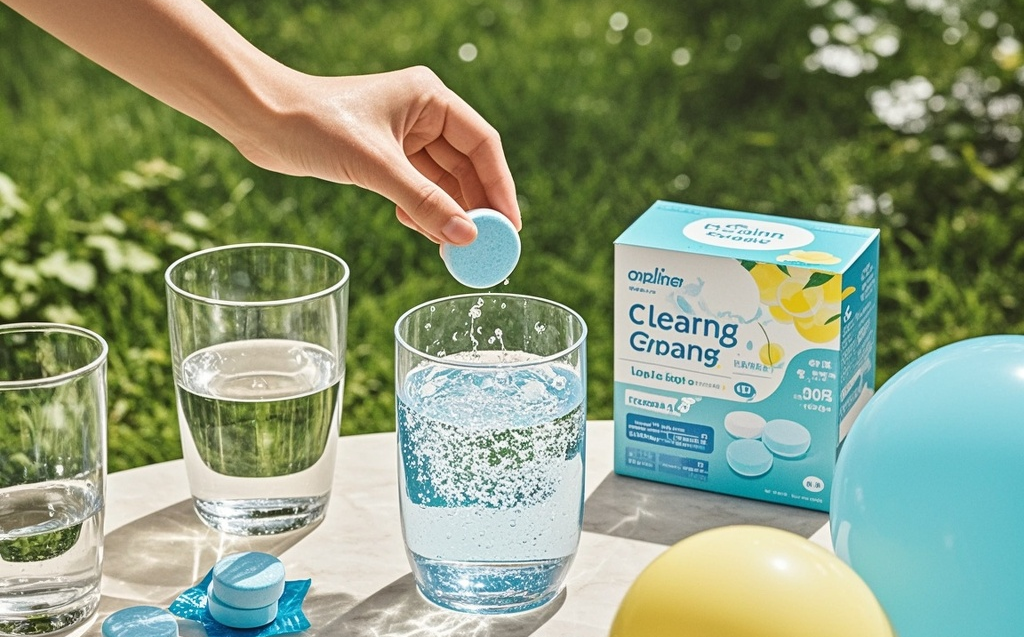
When it comes to keeping our homes clean, the products we choose matter not only for hygiene but also for the planet. For decades, traditional liquid and powder cleaners have dominated store shelves. They come in large plastic bottles, heavy containers, and often contain harsh chemicals that enter waterways. In recent years, however, cleaning tablets have emerged as an eco-friendly alternative. Small, lightweight, and packed with concentrated cleaning power, they aim to solve many of the environmental problems caused by traditional cleaning solutions.
This article takes a deep dive into the environmental impact of traditional cleaners vs. cleaning tablets, helping you understand how each affects waste, energy, water, and carbon emissions—and why more households are making the switch.
1. The Packaging Problem: Plastic Waste
Traditional Cleaners
-
Most liquid cleaners are sold in single-use plastic bottles.
-
A standard household might go through 20–30 bottles of detergent or cleaning solution per year.
-
The majority of these bottles are made from non-biodegradable plastics like PET and HDPE.
-
Even with recycling programs, studies show less than 10% of global plastic waste is truly recycled. The rest ends up in landfills, oceans, or is incinerated, releasing toxic emissions.
Cleaning Tablets
-
Cleaning tablets typically come in minimal, compostable, or recyclable packaging—often paper pouches or cardboard.
-
A year’s supply of cleaning tablets for the average home could fit in a single small box.
-
By reducing reliance on plastic bottles, they directly address one of the biggest sources of household waste.
Environmental Win: Cleaning tablets reduce single-use plastic consumption dramatically, cutting household packaging waste by up to 90%.
2. Transportation & Carbon Footprint
Traditional Cleaners
-
Bottled cleaners are heavy because they are mostly water (up to 80–90% water content).
-
Shipping millions of gallons of water across the globe requires massive fuel consumption.
-
Heavier shipments mean more trucks, planes, and ships, which increases CO₂ emissions.
Cleaning Tablets
-
Compact and lightweight. A small box of tablets can replace multiple large bottles.
-
No unnecessary water shipped—consumers simply add water at home.
-
Lower shipping weight = fewer trucks on the road and less fuel burned.
Environmental Win: Cleaning tablets can cut transport-related emissions by 70–80% compared to traditional bottled cleaners.
3. Chemical Pollution & Water Safety
Traditional Cleaners
-
Many contain strong surfactants, phosphates, and synthetic fragrances.
-
When rinsed away, these chemicals enter rivers, lakes, and oceans, contributing to water pollution.
-
Phosphates, for instance, can cause algal blooms that suffocate aquatic life.
-
Non-biodegradable chemicals persist in the ecosystem, impacting both wildlife and human health.
Cleaning Tablets
-
Most eco-conscious cleaning tablets are phosphate-free, biodegradable, and made with plant-based ingredients.
-
They are designed to be just as effective while minimizing harm to waterways.
-
Fewer synthetic additives = less long-term environmental damage.
Environmental Win: Cleaning tablets significantly reduce water pollution and are a safer option for ecosystems.
4. Manufacturing Footprint
Traditional Cleaners
-
Large factories must mix, dilute, and bottle massive amounts of liquid.
-
Energy-intensive processes like plastic molding and bottle production add to emissions.
-
The scale of production leads to a high overall carbon footprint.
Cleaning Tablets
-
Produced in compact formats with lower material and energy requirements.
-
Packaging requires fewer resources (no large plastic containers).
-
Smaller factories with simpler supply chains can make tablets more efficiently.
Environmental Win: Tablets require fewer resources to manufacture, lowering the overall production footprint.
5. Waste Management & Recycling
Traditional Cleaners
-
Plastic bottles often end up in trash rather than recycling bins.
-
Colored or multi-layered plastics are harder to recycle.
-
Bottle caps and pumps are often made from different materials, complicating recycling efforts.
Cleaning Tablets
-
Many brands use plastic-free packaging that is compostable or easily recyclable.
-
No bulky bottles = less household clutter and easier waste disposal.
-
Reduced plastic packaging means less landfill contribution.
Environmental Win: Cleaning tablets support a circular economy by reducing reliance on difficult-to-recycle plastics.
6. Storage & Household Benefits
Traditional Cleaners
-
Take up significant space in cupboards and storage rooms.
-
Risk of spills, leaks, and chemical hazards in the home.
Cleaning Tablets
-
Compact size makes them ideal for small spaces, apartments, and minimalists.
-
Safer to store—no risk of heavy bottles tipping or spilling concentrated chemicals.
Environmental Win: Smaller footprint in both production and at home.
7. Consumer Awareness & Behavioral Shifts
-
Shoppers are increasingly looking for eco-friendly solutions.
-
Reports show over 70% of consumers are willing to switch if the alternative is both effective and sustainable.
-
Cleaning tablets fit perfectly into this movement, making eco-conscious living practical and affordable.
8. Cost Comparison
While this article focuses on the environment, cost matters too.
-
Traditional cleaners: recurring expense of bottles, higher shipping costs, and storage waste.
-
Cleaning tablets: lower shipping, less packaging, and concentrated power mean you often save money long-term.
Saving money + saving the planet = a win-win scenario.
9. Case Study: One Household’s Impact
A family of four using traditional cleaners:
-
25 bottles of detergent per year.
-
10 bottles of surface cleaner.
-
5 bottles of bathroom cleaner.
= 40 plastic bottles annually.
Switching to cleaning tablets:
-
1 small box per year.
-
Packaging waste reduced by 95%.
-
Carbon emissions from transport cut dramatically.
Over 10 years, that’s 400 bottles avoided for just one family. Imagine the global impact if millions of households made the switch.
10. The Future of Home Cleaning
-
Traditional cleaners are slowly being phased out in many eco-conscious markets.
-
Cleaning tablets represent innovation in sustainable home care.
-
As technology advances, we can expect even more powerful, affordable, and environmentally safe options.
Conclusion
The environmental impact of traditional cleaners is undeniable—plastic waste, carbon emissions, chemical pollution, and heavy manufacturing footprints all add up. In contrast, cleaning tablets offer a lighter, cleaner, and greener way forward.
By switching, households can cut plastic waste, reduce emissions, and protect water systems—all while simplifying their cleaning routine. The choice is clear: if you want a cleaner home and a cleaner planet, cleaning tablets are the smarter solution.