🌍 Introduction: A Small Change With a Big Impact
The zero-waste lifestyle is no longer a niche movement—it has become a global mission. With growing awareness of climate change, overflowing landfills, and the staggering scale of plastic pollution, more and more people are seeking practical ways to reduce waste in their daily lives. Yet, many struggle to find solutions that are both convenient and effective.
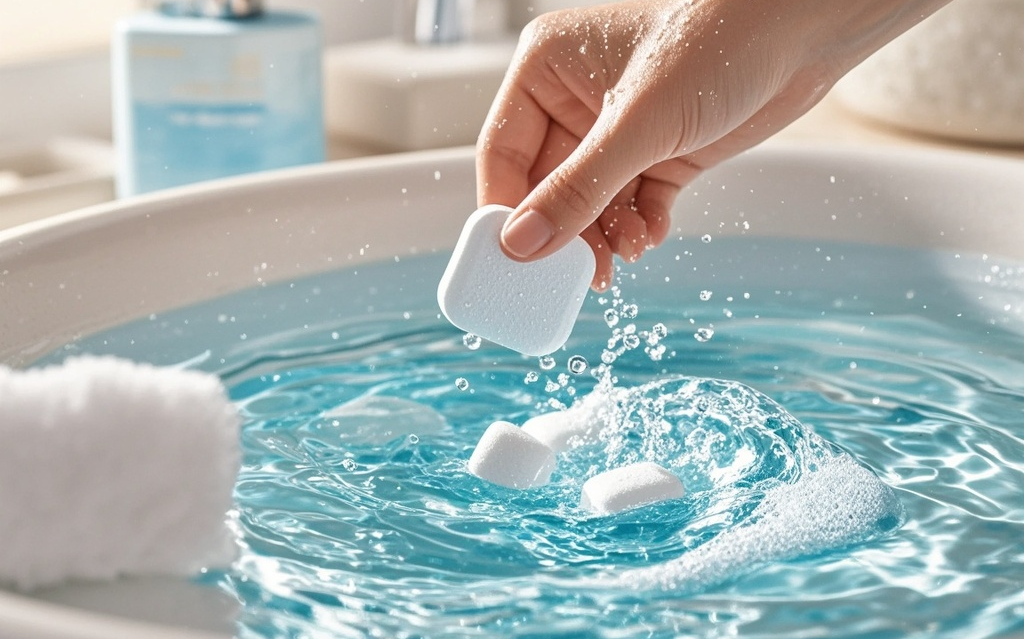
Enter cleaning tablets—a small but revolutionary innovation. These compact, pre-measured tablets dissolve in water to create powerful cleaning solutions for laundry, kitchens, bathrooms, and beyond. At first glance, they may seem like just another product on the shelf. But when you look closer, you realize cleaning tablets represent something far greater: they embody the principles of zero-waste living by reducing plastic packaging, lowering transportation emissions, and cutting down on chemical pollution.
This article takes an in-depth look at how cleaning tablets support a zero-waste lifestyle. We’ll explore the problems with traditional cleaning products, the science and benefits of cleaning tablets, practical steps for incorporating them into your routine, and even real-life examples of households and businesses making the switch. By the end, you’ll see why these little tablets are poised to play a big role in the global sustainability movement.
♻️ 1. Understanding the Zero-Waste Lifestyle
What Does “Zero Waste” Really Mean?
The zero-waste lifestyle is often misunderstood. Some people think it means producing absolutely no trash—a nearly impossible task. In reality, zero-waste is about:
-
Minimizing waste: Reducing what you send to landfills and incinerators.
-
Redesigning consumption: Choosing products and systems that avoid waste in the first place.
-
Supporting circularity: Using products that can be reused, refilled, recycled, or composted.
At its core, zero-waste is about rethinking how we consume. Instead of a “take, use, and toss” model, zero-waste encourages us to “reduce, reuse, and regenerate.”
Why Cleaning Matters in Zero Waste
Household cleaning is one of the most wasteful categories in modern consumer behavior. Every year, millions of tons of plastic detergent bottles, spray bottles, and single-use wipes are discarded. Since most cleaning products are water-based, we’re essentially shipping heavy bottles of water around the world—at a huge carbon cost.
By addressing cleaning habits, individuals can make a substantial impact on waste reduction and climate goals.
🚯 2. The Hidden Waste in Traditional Cleaning Products
Traditional cleaning products—laundry detergent, dishwashing liquids, surface sprays—carry multiple hidden costs:
-
Plastic Overload
-
Globally, over 500 billion plastic bottles are produced every year, and less than 30% are recycled.
-
Cleaning products account for a significant portion of this packaging.
-
-
Shipping Water
-
Liquid detergents are 70–90% water. This means enormous amounts of fuel are wasted transporting something that consumers already have at home—tap water.
-
-
Chemical Pollution
-
Many cleaning products contain phosphates, bleach, and microplastics that pollute waterways and harm marine ecosystems.
-
-
Household Waste
-
Oversized bottles often leave behind residue that is hard to empty, leading to wasted product and money.
-
-
Carbon Emissions
-
Transporting bulky liquid bottles creates a far higher carbon footprint than compact, lightweight alternatives.
-
In short, traditional cleaning products are inefficient, wasteful, and outdated.
🧼 3. What Are Cleaning Tablets?
Cleaning tablets are concentrated, water-free cleaning solutions that dissolve in water to create powerful cleaners. They are used for:
-
Laundry (washing clothes, delicates, or activewear)
-
Dishwashers
-
Multipurpose cleaning sprays (kitchen counters, glass, furniture)
-
Bathroom cleaning (toilets, tiles, sinks)
Instead of buying new bottles, consumers use the same refillable container over and over. Tablets are packaged in compostable paper or recyclable cardboard, eliminating most plastic waste.
🌱 4. How Cleaning Tablets Support Zero Waste
Cleaning tablets directly address the major pain points of traditional cleaning products.
1. Eliminate Plastic Packaging
-
Tablets typically come in recyclable or compostable packaging.
-
Reusable spray bottles and jars mean one container lasts for years.
2. Reduce Carbon Emissions
-
Lightweight, compact tablets are far easier and cleaner to transport.
-
A shipment of tablets uses up to 95% less fuel compared to heavy liquid detergents.
3. Water-Free Shipping
-
By shipping only the active ingredients, tablets save resources and reduce emissions. Consumers add water at home.
4. No Leftover Waste
-
Tablets dissolve fully, leaving no sticky residue at the bottom of a bottle.
5. Safer Ingredients
-
Many tablets are formulated with biodegradable surfactants and eco-friendly compounds, protecting waterways and ecosystems.
📊 5. The Numbers Behind the Change
-
Plastic Savings: A family of four switching to cleaning tablets can prevent over 30 plastic bottles from entering landfills every year.
-
Carbon Reduction: According to studies, shipping concentrated products like tablets reduces transport emissions by up to 80%.
-
Consumer Growth: The market for eco-friendly household cleaners is projected to grow by 9% annually over the next decade, with cleaning tablets leading the trend.
🏡 6. Everyday Benefits for Households
Beyond their environmental advantages, cleaning tablets make daily life easier:
-
Space-Saving: Compact size is perfect for small apartments, dorms, or minimalist households.
-
Pre-Measured: No more guessing how much cleaner to use.
-
Travel-Friendly: Tablets are TSA-approved and easy to carry.
-
Safe for Kids and Pets: Less risk of spills or chemical burns compared to large jugs of bleach.
👨👩👧 7. Real-Life Case Studies
-
The Eco-Friendly Family: A household with three kids switched to cleaning tablets and reduced their household waste by 40% in one year.
-
The Busy Professional: A young urban worker found tablets perfect for saving storage space in a small apartment while staying eco-conscious.
-
The Student Traveler: College students loved the portability and affordability of tablets, especially during trips.
-
The Small Business: An eco-conscious café replaced its cleaning supplies with tablets, saving money and aligning with its sustainability brand.
❓ 8. Common Myths About Cleaning Tablets
-
“They don’t clean as well.”
❌ False. Tablets are highly concentrated and clean as effectively as liquids. -
“They cost more.”
❌ The upfront price may be similar, but refills save money long-term. -
“They dissolve slowly.”
❌ Modern formulas dissolve quickly, even in cold water. -
“They’re just for eco-enthusiasts.”
❌ Tablets are mainstream, affordable, and practical for everyone.
🧭 9. How to Transition to Cleaning Tablets
Switching is easy:
-
Buy a starter kit with a reusable bottle.
-
Use tablets for laundry, dishes, and multipurpose sprays.
-
Refill only with compostable-packaged tablets.
-
Combine with other zero-waste swaps like reusable cloths and bulk buying.
-
Encourage family and friends to join in.
🌍 10. Cleaning Tablets in the Circular Economy
Cleaning tablets embody the circular economy model, which aims to:
-
Design out waste
-
Keep products in use
-
Regenerate natural systems
By eliminating single-use packaging and encouraging reuse, cleaning tablets are not just a product—they’re part of a system shift toward sustainability.
🙋 11. FAQs About Cleaning Tablets
Q: Are they safe for sensitive skin?
Yes. Many brands offer hypoallergenic, fragrance-free options.
Q: Do they work in hard water?
Yes. Tablets are designed to dissolve fully, even in mineral-heavy water.
Q: Can I use them in cold water?
Yes. Most tablets are effective in both warm and cold water, saving energy.
Q: Are they more expensive?
Not in the long run. Refillable systems cut costs by eliminating single-use packaging.
🏁 Conclusion: Small Steps, Big Results
Living a zero-waste lifestyle might feel overwhelming, but change often begins with small steps. Cleaning tablets are one of those steps—simple, practical, and impactful. By replacing bulky plastic bottles with compact, refillable tablets, households reduce waste, cut carbon emissions, and protect waterways.
Every tablet used is one less plastic bottle in circulation. Every refill is a commitment to a cleaner, greener future.
The zero-waste lifestyle doesn’t require perfection—it requires progress. And cleaning tablets are one of the easiest ways to make that progress today.