Introduction: Why Cleaning Mistakes Are More Common Than You Think
Cleaning is a universal part of daily life, yet many of us unknowingly make mistakes that reduce effectiveness, waste money, and even harm the environment. From using too much product to relying on harsh chemicals, these missteps often become habits over time. While they may seem harmless, the truth is they can damage surfaces, create health risks, and increase household costs.
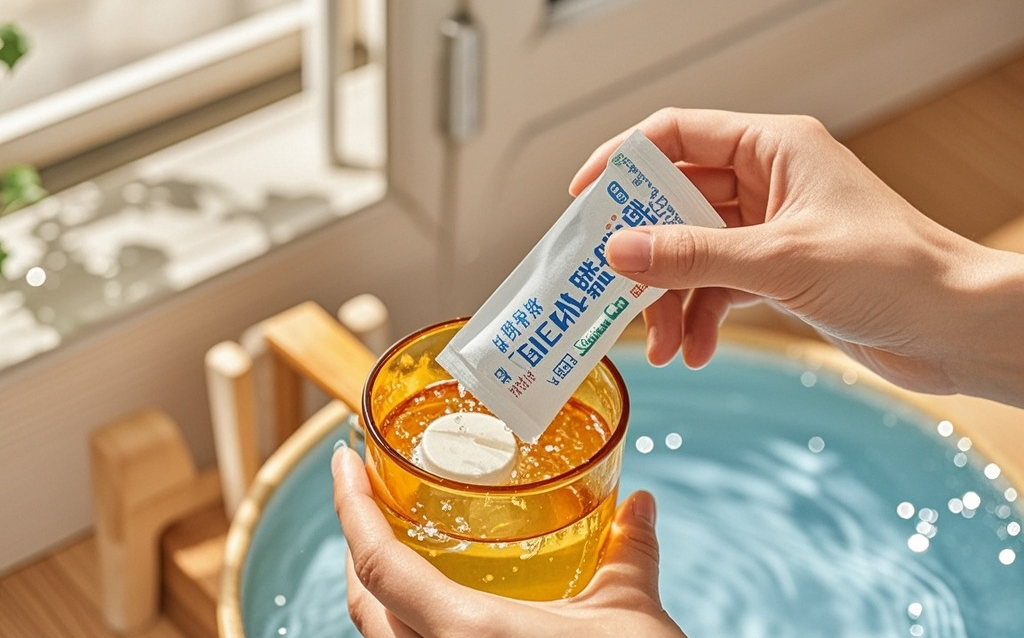
In recent years, a simple innovation has emerged to address these challenges: cleaning tablets. Compact, pre-measured, and eco-friendly, cleaning tablets are changing the way people think about home care. Instead of heavy plastic bottles, messy liquids, and inconsistent dosing, tablets provide convenience and consistency. They are small but powerful solutions to long-standing problems in the cleaning industry.
This article explores five common cleaning mistakes—and how cleaning tablets provide the perfect fix. By the end, you’ll understand why this modern cleaning method is becoming the go-to solution for families, students, and professionals alike.
Mistake 1: Using Too Much Cleaning Product
Why It Happens
One of the most frequent mistakes people make is using more product than necessary. Whether it’s laundry detergent, dish soap, or surface cleaner, the assumption is that extra product equals extra cleanliness. In reality, this habit wastes money and can even make cleaning harder.
Consequences of Overuse
-
Residue buildup: Excess cleaner leaves sticky layers that attract dust and grime.
-
Skin irritation: Leftover detergent on clothes may irritate sensitive skin.
-
Machine damage: Washing machines and dishwashers may clog from soap residue.
-
Environmental harm: Extra chemicals flow into waterways, polluting ecosystems.
For example, many laundry detergents recommend a single capful per wash. Yet studies show consumers often use 1.5 to 2 times the recommended amount, believing it improves results. Instead, it leads to dingy fabrics and shorter appliance lifespans.
How Cleaning Tablets Solve the Problem
Cleaning tablets are pre-measured, meaning each tablet delivers the exact dosage required.
-
Consistency: You’ll never under- or overuse product.
-
Simplicity: Just drop a tablet in—no measuring cups or messy spills.
-
Cost savings: One box of tablets lasts longer than liquid products used carelessly.
-
Sustainability: Less waste and fewer chemicals going down the drain.
By eliminating guesswork, cleaning tablets ensure you achieve the best results with the least effort.
Mistake 2: Relying on Harsh Chemicals
Why It Happens
For decades, cleaning advertisements promoted the idea that “stronger is better.” People associate harsh smells with cleanliness, so they reach for bleach, ammonia, and other powerful agents.
Consequences of Harsh Chemicals
-
Health risks: Can cause skin burns, eye irritation, and respiratory issues.
-
Surface damage: Corrodes grout, damages countertops, and strips protective coatings.
-
Indoor pollution: Harsh cleaners release volatile organic compounds (VOCs), lowering air quality.
-
Environmental concerns: Many toxic chemicals are not biodegradable, contaminating soil and water.
Families with kids and pets are particularly vulnerable to accidental exposure.
How Cleaning Tablets Solve the Problem
Cleaning tablets are formulated to be effective yet gentle.
-
Balanced formulas: Many tablets use biodegradable surfactants and eco-safe ingredients.
-
Safe handling: Tablets dissolve in water, reducing the risk of spills and burns.
-
Health-friendly: Less chance of toxic fumes lingering indoors.
-
Surface protection: Gentle cleaning ensures surfaces last longer.
For example, a bathroom cleaning tablet can sanitize toilets and tiles without the dangerous fumes of bleach.
Mistake 3: Buying Too Many Single-Purpose Cleaners
Why It Happens
Walk into any cleaning aisle and you’ll find dozens of products: glass cleaner, tile cleaner, floor cleaner, oven cleaner, multipurpose sprays, and more. Marketing pushes the idea that you need a different product for every surface.
Consequences of Product Overload
-
Clutter: Multiple bulky bottles crowd storage spaces.
-
Wasted money: Buying unnecessary products inflates cleaning budgets.
-
Environmental cost: Excess packaging equals more plastic waste.
-
Confusion: Too many options make it harder to choose the right cleaner.
A busy household might own 10–15 different cleaning products, many of which overlap in function.
How Cleaning Tablets Solve the Problem
Cleaning tablets are often multi-purpose, designed to handle various cleaning needs.
-
Versatility: One type of tablet can clean countertops, sinks, glass, and even bathroom surfaces.
-
Space-saving: A few small packs replace a cabinet full of bottles.
-
Cost-efficient: Fewer products mean lower expenses.
-
Eco-friendly: Reduced packaging leads to less waste.
Imagine replacing ten bulky spray bottles with just two boxes of tablets—your home becomes instantly less cluttered.
Mistake 4: Ignoring Proper Storage and Shelf Life
Why It Happens
Many people don’t consider how they store cleaning products. Liquids are often kept under sinks, in garages, or even exposed to direct sunlight. Over time, this leads to reduced effectiveness.
Consequences of Poor Storage
-
Chemical degradation: Heat and light break down active ingredients.
-
Spills and leaks: Liquid cleaners may leak, causing sticky messes.
-
Safety hazards: Curious children or pets may access dangerous chemicals.
-
Wasted money: Products lose potency before being fully used.
How Cleaning Tablets Solve the Problem
Cleaning tablets are compact, lightweight, and stable.
-
Long shelf life: Tablets stay effective for months or even years.
-
Safe storage: No risk of large liquid spills.
-
Child-safe packaging: Many tablets come in resealable, eco-friendly pouches.
-
Portable: Easy to store, carry, and even travel with.
Unlike bottles that degrade quickly once opened, tablets remain fresh until dissolved.
Mistake 5: Ignoring Environmental Impact
Why It Happens
Most people focus on results—shiny counters, fresh-smelling clothes—without considering the environmental footprint of their cleaning habits.
Consequences of Traditional Cleaners
-
Plastic waste: Billions of plastic bottles end up in landfills each year.
-
Carbon emissions: Shipping heavy liquid bottles increases transportation emissions.
-
Water pollution: Chemicals enter waterways, harming marine ecosystems.
-
Non-biodegradable waste: Packaging and formulas often persist for decades.
How Cleaning Tablets Solve the Problem
Cleaning tablets are built with sustainability in mind.
-
Plastic-free or minimal packaging: Many come in compostable or recyclable pouches.
-
Reduced carbon footprint: Lightweight tablets are cheaper and cleaner to ship.
-
Biodegradable formulas: Safer for waterways and soil.
-
Supports eco-conscious lifestyles: Fits into the zero-waste movement.
By switching to tablets, you actively reduce your household’s environmental impact.
Extra Benefits of Cleaning Tablets
Beyond solving mistakes, cleaning tablets offer additional advantages:
-
Convenience: Easy to use with no mess.
-
Portability: Perfect for travel, camping, or small apartments.
-
Modern appeal: Sleek design resonates with eco-conscious, younger consumers.
-
Cost transparency: With clear per-use pricing, budgeting becomes simple.
Practical Tips for Getting Started
-
Choose multipurpose tablets to simplify your cleaning routine.
-
Store in a cool, dry place for long shelf life.
-
Pair with reusable bottles to further reduce plastic waste.
-
Test on small surfaces if you’re worried about sensitivity.
-
Switch gradually—replace one traditional cleaner at a time.
FAQs
Q: Are cleaning tablets safe for children and pets?
A: Yes, most are non-toxic and eco-friendly, but always keep them out of reach until dissolved.
Q: Do they work as well as liquid cleaners?
A: Yes, tablets are formulated for equal or better performance while avoiding overdosing.
Q: Can cleaning tablets remove tough stains?
A: Many are designed to handle grease, limescale, and soap scum, but results vary by brand.
Q: How do they reduce plastic waste?
A: Tablets replace bulky bottles with lightweight, recyclable packaging.
Q: Can I use them in cold water?
A: Yes, most dissolve easily in cold or warm water, saving energy.
Conclusion: The Future of Cleaning
Cleaning mistakes are common, but they don’t have to be permanent habits. By recognizing these five errors—overusing products, relying on harsh chemicals, buying too many single-purpose cleaners, ignoring storage, and overlooking environmental impact—you can transform your cleaning routine.
Cleaning tablets are more than a trend; they’re a smarter, safer, and more sustainable solution. They provide consistent dosing, reduce clutter, protect your health, and significantly cut down on plastic waste. Whether you’re motivated by cost savings, convenience, or eco-conscious living, making the switch to cleaning tablets is a step toward a cleaner home and a cleaner planet.