The Science Behind Cleaning Tablets: How Do They Work?
Introduction
In recent years, cleaning tablets have gained massive popularity as a sustainable, cost-effective, and highly efficient alternative to traditional cleaning products. They are small, lightweight, and eco-friendly, but many consumers still wonder: What makes these tablets so effective? What’s the science behind their cleaning power?
This comprehensive guide will break down how cleaning tablets work, what ingredients make them effective, and why they represent the future of home cleaning.
1. What Are Cleaning Tablets?
Cleaning tablets are compact, solid cleaning solutions designed to be dissolved in water. Unlike liquid detergents or bulky plastic bottles, they come in small, lightweight forms that deliver the same cleaning effectiveness with less environmental impact.
They can be used for multiple cleaning purposes:
-
Kitchen counters and sinks
-
Bathroom surfaces
-
Floors and tiles
-
Glass and mirrors
-
Laundry boosters
2. The Core Science: Effervescence
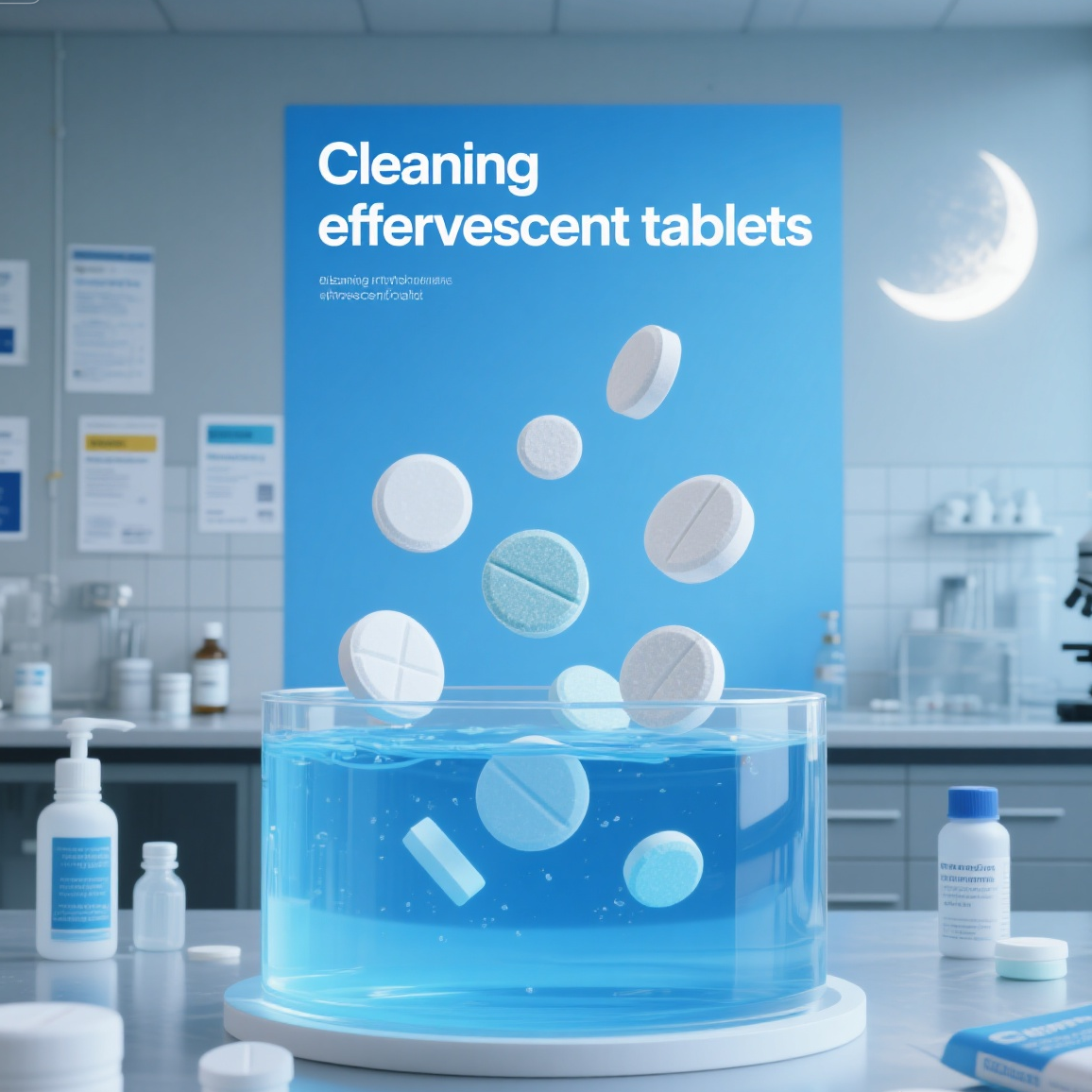
The magic of cleaning tablets starts with effervescence—a chemical reaction that occurs when acids and bases interact with water, releasing carbon dioxide bubbles.
Most cleaning tablets contain:
-
Citric Acid (acidic component)
-
Sodium Bicarbonate (alkaline component)
When the tablet dissolves, these two compounds react, producing fizzing bubbles that help break down dirt and grease while evenly distributing the active cleaning agents throughout the water.
3. Key Ingredients in Cleaning Tablets
Citric Acid
-
Naturally derived from citrus fruits.
-
Breaks down mineral deposits, soap scum, and hard water stains.
Sodium Bicarbonate (Baking Soda)
-
A gentle but powerful cleaning base.
-
Neutralizes odors and cuts through grease.
Surfactants
-
Lower the surface tension of water, allowing it to penetrate dirt and lift it away.
Enzymes (in specialized tablets)
-
Break down organic stains like food, grease, and proteins.
Essential Oils or Natural Extracts
-
Provide fragrance and sometimes antibacterial properties.
Binding Agents
-
Keep the tablet compact until it dissolves in water.
4. The Chemistry of Cleaning Tablets in Action
When you drop a cleaning tablet in water:
-
Effervescence occurs – bubbles start to form, helping distribute ingredients.
-
Active agents release – surfactants, acids, and enzymes dissolve and activate.
-
Stain breakdown – chemical reactions loosen dirt, grease, and buildup.
-
Residue removal – surfactants and effervescence lift and suspend particles for easy wipe-down.
This chain reaction ensures thorough cleaning without scrubbing as hard as with traditional methods.
5. Cleaning Tablets vs. Traditional Cleaners
| Feature | Cleaning Tablets | Traditional Cleaners |
|---|---|---|
| Packaging | Plastic-free, compact | Bulky plastic bottles |
| Storage | Lightweight, space-saving | Requires more storage |
| Effectiveness | Highly concentrated | Often diluted |
| Environmental Impact | Biodegradable, less waste | High plastic and chemical waste |
| Cost | Long-term savings | Higher shipping and packaging costs |
6. Environmental Benefits
-
Plastic Reduction: No single-use bottles.
-
Lower Carbon Footprint: Lightweight for shipping.
-
Biodegradable Ingredients: Many formulas are eco-conscious.
-
Water Conservation: No need to transport water-heavy liquids.
7. Misconceptions About Cleaning Tablets
-
“They’re weaker than liquid cleaners.”
→ False. Tablets are concentrated and often stronger. -
“They don’t work on tough stains.”
→ Many contain specialized enzymes that break down grease and grime. -
“They’re more expensive.”
→ Cost per use is often lower, especially considering shipping and storage savings.
8. Everyday Applications of Cleaning Tablets
-
Kitchen: Degreasing countertops, stovetops, and sinks.
-
Bathroom: Breaking down soap scum, mold, and hard water stains.
-
Floors: Dissolve in a bucket for mopping.
-
Glass & Mirrors: Leave streak-free shine.
-
Laundry Boosters: Tackle odors and stains.
-
Travel: Compact, easy-to-carry cleaning solution.
9. FAQ: Cleaning Tablets Explained
-
Are cleaning tablets safe for pets and kids?
Yes, if used as directed and kept out of reach before dissolving. -
Do they disinfect surfaces?
Some formulas include antibacterial agents; always check labels. -
How long do they last?
Most tablets have a 2–3 year shelf life. -
Can they be used on all surfaces?
Safe for most, but avoid porous or untreated wood. -
Do I need hot water to dissolve them?
No, room temperature works fine—though warm water dissolves faster. -
Are they safe for septic systems?
Yes, many are designed to be septic-safe. -
Can I use them in spray bottles?
Absolutely. Dissolve in water, pour into a reusable spray bottle. -
Do they contain harsh chemicals?
Many brands use eco-friendly formulas without chlorine or phosphates. -
Are they cheaper than liquid cleaners?
Per use, often yes—plus shipping/storage savings. -
Can they remove mold?
Specialized formulas with oxygen bleach can tackle mold. -
Do they replace all cleaning products?
They cover most needs but may not replace heavy-duty disinfectants. -
Why do they fizz?
Effervescence spreads ingredients evenly and boosts cleaning. -
Can I travel with them?
Yes, they’re solid, TSA-friendly, and lightweight. -
Do they smell strong?
Many are lightly scented or fragrance-free. -
Are they safe for sensitive skin?
Look for hypoallergenic or fragrance-free versions.
10. Conclusion
Cleaning tablets are more than just a trend—they are the result of clever science and eco-conscious innovation. By harnessing effervescence and carefully chosen ingredients, they deliver effective, safe, and sustainable cleaning power.
With benefits ranging from environmental sustainability to practical convenience, cleaning tablets are poised to replace traditional cleaners in modern households.